Prishtina po bëhet gati për fundjavën më të madhe muzikore të vitit.
Duke nisur nga e premtja, “Sunny Hill Festival” rikthen atmosferën e tij unike, duke shndërruar kryeqytetin një prej pikave për mijëra adhurues të muzikës nga e gjithë bota, transmeton Klankosova.tv.
Se a është gjithçka gati për ta elektrizuar Kosovën, në emisionin “Ora Shtatë” foli njëri prej organizatorëve të festivalit, Fat Gjakova.
“Gjithçka po shkon sipas planit, këto ditë veçse janë duke përfunduar të gjitha skenat, produksioni ka filluar që një-dy javë, jemi shumë afër, mezi po presim mu bë e premte”, u shpreh ai në Klan Kosova.
Ai shtoi se nga sot do të fillojë ardhja e artistëve në Kosovë, derisa tha se deri nesër do vinë të gjithë./ KultPlus.com
Një histori e vjetër dashurie dhe tradhtie po rikthehet në qendër të vëmendjes mediatike. Ojani Noa, burri i parë i Jennifer Lopez, ka dhënë një intervistë të fortë për The US Sun, ku pretendon se romanca e fshehtë e këngëtares me reperin Sean “Diddy” Combs ishte shkaku kryesor i shkatërrimit të martesës së tyre.
Nga dashuria ideale te dyshimet e para
Sipas aktorit kubanez, martesa e tyre në fund të viteve ’90 po shkonte shkëlqyeshëm, derisa J.Lo filloi punën për albumin e saj të parë, On The 6, ku Diddy shërbente si producent.
Për shkak të angazhimeve profesionale Noa në Los Angeles dhe Lopez mes New York-ut e Miami distanca hapi rrugën për dyshime.
“Shoqëria nga hotele-t e Miami-t më merrte në telefon dhe më thoshte se i kishin parë bashkë. Jennifer e mohonte, por gjithçka shpërtheu kur pashë një foto të saj ulur në prehrin e Diddy-t,” është shprehur Noa.
Përplasjet fizike dhe kërcënimet me armë
Noa tregon se përballej shpesh me këngëtaren dhe se kjo situatë çoi në debate të ashpra. Ai rrëfen gjithashtu dy episode dramatike:
Përballja te festa: Gjatë një ditëlindjeje në Los Angeles, Noa pretendon se i është afruar Diddy-t duke e udhëzuar të largohej dhe e ka akuzuar drejtpërdrejt se po flinte me gruan e tij.
Tensioni te shtëpia e J.Lo: Noa pretendon se kur Lopez tentoi të shkëpuste marrëdhënien me Diddy-n, reperi nisi ta kërcënonte atë dhe familjen e saj. Në një rast, ai pretendon se Diddy shkoi te shtëpia e këngëtares duke bërtitur, ndërsa Jennifer i kërkoi ndihmë e frikësuar sepse reperi mund të kishte armë. Ngjarja përfundoi vetëm pas ndërhyrjes së policisë.
Sfondi i ngjarjeve
1997–1998: Jennifer Lopez dhe Ojani Noa qenë të martuar për vetëm një vit.
1999–2001: Lidhja e Lopez me Diddy-n u bë zyrtare pak kohë pas ndarjes nga Noa dhe zgjati deri në vitin 2001.
Ngjarja në klubin e natës: Gjatë kohës që ishin bashkë, Lopez dhe Diddy u përfshinë në një incident të bujshëm me të shtëna me armë në New York, ku këngëtarja u shoqërua nga policia, por u shpall e pafajshme.
Deri më tani, as përfaqësuesit e Jennifer Lopez e as ata të Sean “Diddy” Combs nuk kanë bërë ndonjë koment publik për të reaguar ndaj këtyre deklaratave./mxh
Drejtori i Përgjithshëm i Policisë së Shtetit merr pushtet fuqiplotë në drejtimin e organizatës pas ndryshimeve të fundit të bëra në ligj. Në seancën plenare të 23 korrikut, ku e gjithë vëmendja ishte te protesta jashtë parlamentit, deputetët miratuan projektligje të rëndësishme. Një ndër to ishin edhe ndryshimet për Policinë e Shtetit të propozuara nga deputeti socialist Bujar Rexha.
Anthony Joshua ka ndarë me ndjekësit e tij momente të veçanta nga dueli i fituar me boksierin shqiptar Kristian Prenga, duke treguar se përtej rezultatit, respekti dhe vlerësimi mes rivalëve mbeten vlerat më të rëndësishme të sportit.
Në videon e publikuar nga ish-kampioni britanik i botës, bie në sy një moment simbolik, ku Joshua vendos mbi supe flamurin shqiptar. Gjithashtu, ai shfaqet pranë familjarëve të Prengës, të cilët ishin të veshur me kostume tradicionale shqiptare.
Përmes një mesazhi në rrjetet sociale, Joshua theksoi se trashëgimia më e madhe e sportit nuk matet vetëm me fitore.
“Gjëja më e madhe që krijon sporti nuk është gjithmonë fituesi, por respekti i ndërsjellë mes personave që kanë fituar respektin e njëri-tjetrit. Kjo është trashëgimia e vërtetë e sportit”, shkroi ai.
Britaniku shprehu mirënjohje edhe për prindërit e Kristian Prengës, duke i falenderuar për mundësinë e kësaj përballjeje.
“Dua t’ju falenderoj që më dhatë mundësinë të luftoj me djalin tuaj. Ishte një ndeshje e madhe. Të dy dhamë më të mirën dhe ju vlerësoj juve, ekipin dhe Prengën”, u shpreh Joshua.
Nga ana tjetër, edhe Kristian Prenga pati fjalë vlerësimi për kundërshtarin e tij, duke e cilësuar Joshuan një legjendë të boksit dhe duke e ftuar të vizitojë Shqipërinë.
“Jam krenar që ndava ringun me ty. Të kam thënë se je legjendë, u rrita me ty. Të uroj më të mirën ty dhe familjes tënde. Je i mirëseardhur në Shqipëri, e ke një shtëpi të dytë aty”, tha Prenga.
Joshua triumfoi me ‘knockout’ në raundin e dytë të përballjes së zhvilluar më 25 korrik, pasi kaloi me sukses një raund të parë të fortë përballë boksierit shqiptar. Megjithatë, ajo që mbeti në qendër të vëmendjes pas sfidës ishte respekti i ndërsjellë dhe gjestet e bukura sportive që të dy boksierët shfaqën pas ndeshjes.
Policia e Kosovës ka intensifikuar kontrollet në komunikacion në rajonin e Gjakovës, ku gjatë 10 ditëve të fundit ka zbuluar një numër të madh të shkeljeve të rregullave të trafikut.
Në kuadër të planeve operative “Alkooli” dhe “Vera 2026”, Njësia Rajonale e Komunikacionit Rrugor në Gjakovë ka realizuar 1 mijë e 892 teste për alkool te drejtuesit e automjeteve.
Nga këto kontrolle, 123 shoferë kanë rezultuar se drejtonin nën ndikimin e alkoolit, ndaj të cilëve janë ndërmarrë masat ligjore, përfshirë konfiskimin e patentë-shoferëve.
Gjatë aksionit, policia ka shqiptuar gjithsej 1 mijë e 580 gjoba për shkelje të ndryshme në trafik, ndër to tejkalime të rrezikshme, tejkalim të shpejtësisë, përdorim të telefonit gjatë vozitjes dhe mosrespektim të rregullave të tjera të sigurisë.
Përveç kundërvajtjeve në trafik, gjatë kontrolleve janë evidentuar edhe raste të tjera penale, përfshirë dy raste të posedimit të dyshuar të narkotikëve dhe një rast të armëmbajtjes pa leje.
Policia ka bërë apel ndaj të gjithë pjesëmarrësve në trafik që të tregojnë kujdes të shtuar, veçanërisht gjatë sezonit veror, duke theksuar se vozitja nën ndikimin e alkoolit mbetet një nga faktorët kryesorë që rrezikon jetën në rrugë.
Thirrja e Kuvendit të Jashtëzakonshëm të Lidhjes Demokratike të Kosovës (LDK) ka nxitur përplasje publike mes disa zyrtarëve të kësaj partie, pak ditë para mbajtjes së mbledhjes ku pritet të diskutohet për zhvillimet e brendshme politike në subjekt. LDK-ja ka njoftuar se kryetari i saj, Lumir Abdixhiku, ka marrë vendim për thirrjen e Kuvendit të […]
TIRANË, 28 korrik/ATSH/ Bashkia e Pogradecit përkujtoi sot 114-vjetorin e ngritjes së Flamurit shqiptar te Guri i Kamjes, ngjarje nga më domethënëset në historinë e krahinave të Gorës, Mokrës dhe Oparit.
Më 28 korrik 1912, nën udhëheqjen e kapedanit Kajo Babeni, së bashku me Shahin Matrakun dhe prijës të tjerë patriotë nga Mokra e Opari, qindra luftëtarë u bashkuan për çlirimin e zonës nga pushtimi xhonturk. Pas kësaj fitoreje, flamuri shqiptar u ngrit te Guri i Kamjes, duke u bërë simbol i lirisë, qëndresës dhe bashkimit të këtyre trevave.
“Kjo datë na kujton sakrificën dhe guximin e atyre që luftuan për lirinë e vendit, duke lënë një trashëgimi të çmuar për brezat që pasuan”, u shpreh kryebashkiaku i Pogradecit, Ilir Xhakolli, i pranishëm në aktivitet, së bashku me kryetarin e Këshillit të Qarkut Korçë, Petrika Tollkuçi.
Guri i Kamjes, i njohur sot si monument natyre dhe një nga atraksionet më të vizituara të zonës, mbetet një vend ku historia dhe natyra ndërthuren, duke dëshmuar vlerat e pasura historike, kulturore dhe turistike të kësaj treve. /j.p/
ROMË, 28 korrik /ATSH-ANSA/ – Koha po mbaronte dhe ndjeva se personi i duhur për trajner ishte Roberto Mancini, deklaroi presidenti i Federatës Italiane të Futbollit Giovanni Malago, duke bërë zyrtare zgjedhjen e trajnerin të ri të Azzurrëve.
“Kisha nevojë për dikë me të cilin mund të ndaja zgjedhjen e trajnerit, sepse nëse ai nuk do të ishte i disponueshëm, arsyetimi im ishte i pakuptimtë”, shtoi ai.
”Kishim nevojë për dikë që të bëhej drejtor teknik dhe president i klubit italian. Personi me të cilin u ndanë këto vendime është Claudio Ranieri, i cili vetëm pak minuta më parë më siguroi për angazhimin e tij dhe po mbërrin nga Kalabria dhe vensosëm që ai të ishte Mancini”, theksoi Malango. /os/
Reperi dhe ylli i YouTube, Yung Filly, emri i vërtetë i të cilit është Andres Felipe Valencia Barrientos, ka pranuar në gjykatë se e ka kafshuar disa herë një grua, ndërsa po dëshmon në procesin gjyqësor ku akuzohet për përdhunim.
Ngjarja dyshohet se ka ndodhur në vitin 2024 në Perth të Australisë, pas një performance të tij në një klub nate.
Barrientos mohoi se e kishte prekur në mënyrë të papërshtatshme gruan në klub, duke deklaruar se vetëm ia kishte vendosur dorën në bel.
Foto: EPA
Ai gjithashtu këmbënguli se marrëdhënia në hotel kishte qenë me pëlqimin e të dyve dhe e përshkroi atë si konsensuale.
Megjithatë, pranoi se e kishte kafshuar disa herë, duke i quajtur kafshimet “love bites”, një shprehje që përdoret në Angli për kafshimet gjatë intimitetit.
Nga ana tjetër, viktima ka deklaruar se Barrientos u bë i dhunshëm gjatë aktit seksual, duke e goditur, shtrënguar nga qafa dhe përdhunuar disa herë, pavarësisht kërkesave të saj për të ndaluar.
Foto: WireImage
Në gjykatë u paraqitën fotografi të lëndimeve të saj, ku shiheshin mavijosje të rënda dhe shenja kafshimi në fytyrë, qafë dhe gjoks, njëra prej të cilave kishte depërtuar deri në lëkurë, duke bërë që ajo të merrte trajtim mjekësor.
Procesi gjyqësor vazhdon, derisa Barrientos i mohon akuzat për përdhunim dhe dhunë fizike. /Telegrafi/
Roberto Mancini është rikthyer zyrtarisht në krye të Kombëtares së Italisë, tre vjet pasi u largua nga posti i trajnerit të Azzurrëve. Bashkë me të, Claudio Ranieri është emëruar drejtor teknik i përfaqësueses italiane.
Emërimi i Mancinit vjen pas një periudhe të trazuar në futbollin italian. Më 12 korrik, Paolo Maldini ishte prezantuar si drejtori i parë teknik i Federatës Italiane të Futbollit (FIGC), ndërsa ish-bashkëlojtari i tij te Milani, Leonardo, mori rolin e këshilltarit special.
Dyshja kishte prezantuar një projekt për ringritjen e futbollit italian, duke nisur nga akademitë, ndërsa ishte përfolur edhe mundësia e emërimit të Pep Guardiolës si trajner. Megjithatë, plani dështoi dhe Maldini me Leonardon dhanë dorëheqjen, pasi tentativa për të emëruar Andrea Pirlon u bllokua për shkak të kontratës së tij si ambasador global i një kompanie ruse të basteve.
Pas këtyre zhvillimeve, drejtuesit e federatës vendosën t’i rikthehen opsionit të preferuar, Roberto Mancinit, i cili ishte larguar në vitin 2023 për të marrë drejtimin e Kombëtares së Arabisë Saudite.
Konfirmimi zyrtar erdhi nga Federata Italiane e Futbollit, e cila njoftoi shkurt:
“Roberto Mancini është trajneri i ri i Kombëtares.”
Mancini drejtoi Italinë nga viti 2018 deri në vitin 2023. Gjatë mandatit të tij fitoi Kampionatin Evropian Euro 2020, por nuk arriti ta kualifikojë Italinë në Kupën e Botës 2022.
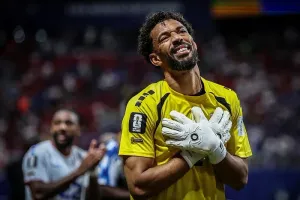
Vozinha, portieri 40-vjeçar që fitoi shumë vlerësime me paraqitjet e tij në Kupën e Botës me Kepin e Gjelbër, nuk do të lejohet ta përdorë pseudonimin e tij në fanellën e klubit të ri, Colo-Colo.
Ka qenë një verë e paharrueshme për portierin veteran, i cili u shndërrua në një sensacion gjatë këtij Botërori.
Pas një paraqitjeje të jashtëzakonshme ndaj Spanjës, kampiones së ardhshme të botës, në fazën e grupeve, relativisht i panjohuri Vozinha kaloi nga 50 mijë ndjekës në Instagram në mbi 1 milion brenda vetëm 24 orëve.
Pas këtij Botërori mbresëlënës, portieri 40-vjeçar është lidhur me një transferim te Colo-Colo, vetëm disa muaj pasi u largua nga skuadra portugeze Chaves, ku sezonin e kaluar zhvilloi vetëm 19 paraqitje në të gjitha garat.
Colo-Colo, i konsideruar gjerësisht si klubi më i suksesshëm në futbollin kilian, tashmë i ka ofruar kontratë Vozinhas, sipas presidentit të klubit, Anibal Mosa.
Mosa iu referua portierit me pseudonimin e tij, ndërsa emri i vërtetë i tij është Josimar Jose Evora Dias, por duket se ai nuk do të lejohet ta përdorë emrin “Vozinha” në pjesën e pasme të fanellës.
Kjo për shkak se Primera Division e Kilit nuk lejon përdorimin e pseudonimeve në fanella. Sipas një raportimi të The Sun, çdo lojtar që përdor një pseudonim do të ndëshkohej automatikisht me karton të verdhë dhe gjobë.
Në vend të kësaj, lojtarët duhet të përdorin një ose të dy mbiemrat e tyre. Kështu, portieri i Kepit të Gjelbër pritet të ketë në fanellën e Colo-Colos njërin prej emrave: “Evora”, “Dias” ose “Evora Dias”.
Megjithatë, mbetet për t’u parë nëse ky rregull do t’i ndalojë tifozët që të blejnë fanellën e tij me emrin tashmë të famshëm “Vozinha”./Telegrafi/

 Login
Login